🍽️ Post Stroke… Navigating Changes in Taste: A Continuing Journey 🌱

Following the mini-strokes, I’ve come to understand firsthand the impact these health events can have on my sense of taste. It’s  affected me savoring my favorite foods.

While the resilience of the human body and spirit is undeniable, it’s important to acknowledge the lingering effects of the mini-strokes. One particular aspect of my ongoing recovery has been the persistent challenge of tasting food. At times, flavors seem to lose their vibrancy, while on other occasions, the very act of tasting becomes an unpleasant experience.

It’s natural to wonder and hope for a resolution to these disruptions in taste, to want for the simple joy of savoring a delicious meal without the unwelcome interference of distorted flavors or numbed taste buds. This hope, fueled by the resilience and optimism that guides me on my journey, provides an anchor during moments of uncertainty and frustration.

I find solace in the knowledge that many individuals who have undergone similar health challenges have experienced improvements in their sense of taste over time. This glimmer of hope assures me that the persistent alterations in taste may indeed ebb away, gradually paving the way for a return to the simple pleasure of enjoying flavors as they were meant to be experienced.

In sharing this aspect of my recovery journey, I hope to provide reassurance and support to others who may be navigating similar experiences. I recognize that the path to healing is unique for each individual, and that changes in taste, while challenging, are yet another step in the gradual process of recovery.

As i move forward, i try to and remain open to the possibilities of renewal and restoration. The road ahead may hold unexpected flavors, but with resilience and optimism, I’ll try to savor every step of our journey.

Wishing you moments of hope, comfort, and the promise of brighter flavors on your path to healing. 🌿

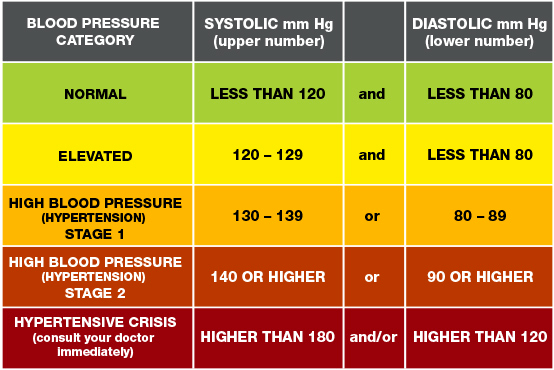
The Critical Significance of Managing Blood Pressure

Understanding the Impact of Uncontrolled Blood Pressure

Years of uncontrolled blood pressure have led to the development of white matter disease, shedding light on the profound and far-reaching impact of blood pressure on health and overall well-being. This realization has prompted a reevaluation of the critical role of blood pressure management and the implications of its control on long-term health.

The Role of Stress and Environment on Blood Pressure

The deeply interwoven relationship between stress, environmental factors, and blood pressure has emerged as a pivotal consideration during this period of health evaluation. Removal from my high-stress work environment has notably given me a sense of calm and relaxation, which is allowing a stable and controlled blood pressure. The profound impact of stress on both mind and body has underscored the transformative effects of a low-stress environment on health and well-being. This realization has prompted contemplation on the value of returning to an environment that may compromise the hard-won stability of blood pressure and overall health.

Considerations for the Future: Prioritizing Health and Well-being

In light of this, the question arises: Is it worth returning to an unhealthy environment, knowing the harmful impact on blood pressure and overall health? The essential consideration of prioritizing health and well-being now takes center stage and an earnest reassessment of the value and sustainability of a high-stress work environment.

It’s become vital for me to fully recognize the profound impact of stress and environment on my health. Now my decisions are guided by a commitment to overall well-being and balance.

“In summary, my paramount priority is safeguarding my health and vitality. It’s a matter of choosing resilience and well-being over circumstances that threaten to compromise them. Long story short: I am resolute in making choices that preserve my health and prevent potential decline and avoiding adverse health outcomes and embracing a future of vitality and strength.