My Loop Recorder Implant Experience: Understanding the Process and Major Discomfort

Loop Recorder Implant

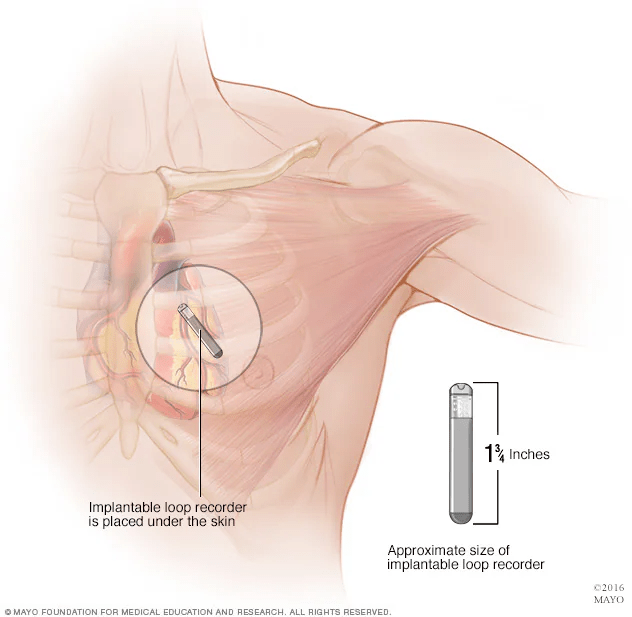
The loop recorder, also known as an insertable cardiac monitor, serves as a valuable tool in monitoring heart rhythm irregularities, providing insights into cardiac activity and enabling the detection of potential issues. This implantable device plays a crucial role in the ongoing management and assessment of cardiovascular health, serving as a proactive measure in addressing cardiac concerns.

My Implant Process: Insights into the Painful Experience

As essential as the loop recorder is in providing valuable data for healthcare professionals, the process of implantation can be undeniably challenging, particularly due to the discomfort and pain inherent in the procedure. For myself, and I believe this may be especially true for females, the physical discomfort was amplified by the fact that the implantation site was in the area of the breast. This not only induced physical discomfort but also brought about heightened challenges due to the natural movement and anatomy of that area. For females with larger breasts, the procedure can be particularly uncomfortable, requiring a heightened sense of awareness and physical adjustment in the post-implantation phase.

My Conclusion: Discomfort and Building Resilience

Navigating the discomfort of the loop recorder implant process was a deeply personal and challenging experience, from beginning to end. Physical discomfort can add an additional layer of complexity during the healing process. It was crucial to find supportive measures and adjustments. In my case, the use of sports bras became an essential comfort measure, offering stability and physical support during the healing process.

It’s important to recognize the physical challenges in procedures such as the loop recorder implant, while also reflecting on these difficulties. As individuals with health challenges, acknowledging the multifaceted nature of our experiences is an integral part of fostering empathy and understanding for one another.

My goal is to shed light on the nuanced realities of navigating my medical procedures. It’s my hope that this candid reflection will offer insights and empathy to others who may be experiencing similar health challenges.

#LoopRecorder

#CardiacHealth

#HeartRhythm

#CardiacMonitoring

#ImplantableDevices

#HeartHealth

#MedicalProcedures

#PatientExperience

#ChronicIllness

#HealthJourney

#MedicalDevices

#HospitalExperience

#MedicalProcedurePain

#CardiacAwareness

#HealthJournals

#PersonalHealth

#HealthConditions

#HealthJourney

#WomenHealth

#CardiacCare

#Woman

#Breast

#Pain

#MichiganMedicine

#UniversityofMichigan

#StrokeCenter

Second Stroke – Emotional and Medical Hurdles of Recurrent Mini Strokes

Within hours of being released from the hospital after my first mini stroke, I found myself unexpectedly confronted with a new and alarming symptom: discomfort and tingling in my right leg. Despite the immediate urgency I felt, the response I received from the ER staff neurologist left me feeling disregarded and dismissed. The dismissive explanation attributing the extremely unpleasant sensations of my leg to prolonged sitting. Yes, you read that correctly. Cause of numbness and tingling: sitting too long. A disheartening blow that further compounded when the subsequent neurologist’s surprise at the MRI findings revealed a deficiency in continuity of care and accurate assessment… Left parietal lobe left caudate head acute to embolic.

The subsequent misdiagnosis and the challenges I faced in obtaining accurate medical attention underscored the immense struggles that can accompany medical emergencies and the emotional toll of feeling unheard and misunderstood. The resulting residual mouth droop and the lengthy period of recovery and enforced absence from work were a poignant reminder of the profound impact these health challenges have on our lives.

This experience exemplified the vital importance of patient advocacy and the need for compassionate and diligent medical care. It served as a testament to the strength and resilience demanded by recurrent health obstacles, alongside the unwavering determination to seek proper care and understanding amid moments of vulnerability.

Navigating Deep Seeded Muscle Exhaustion

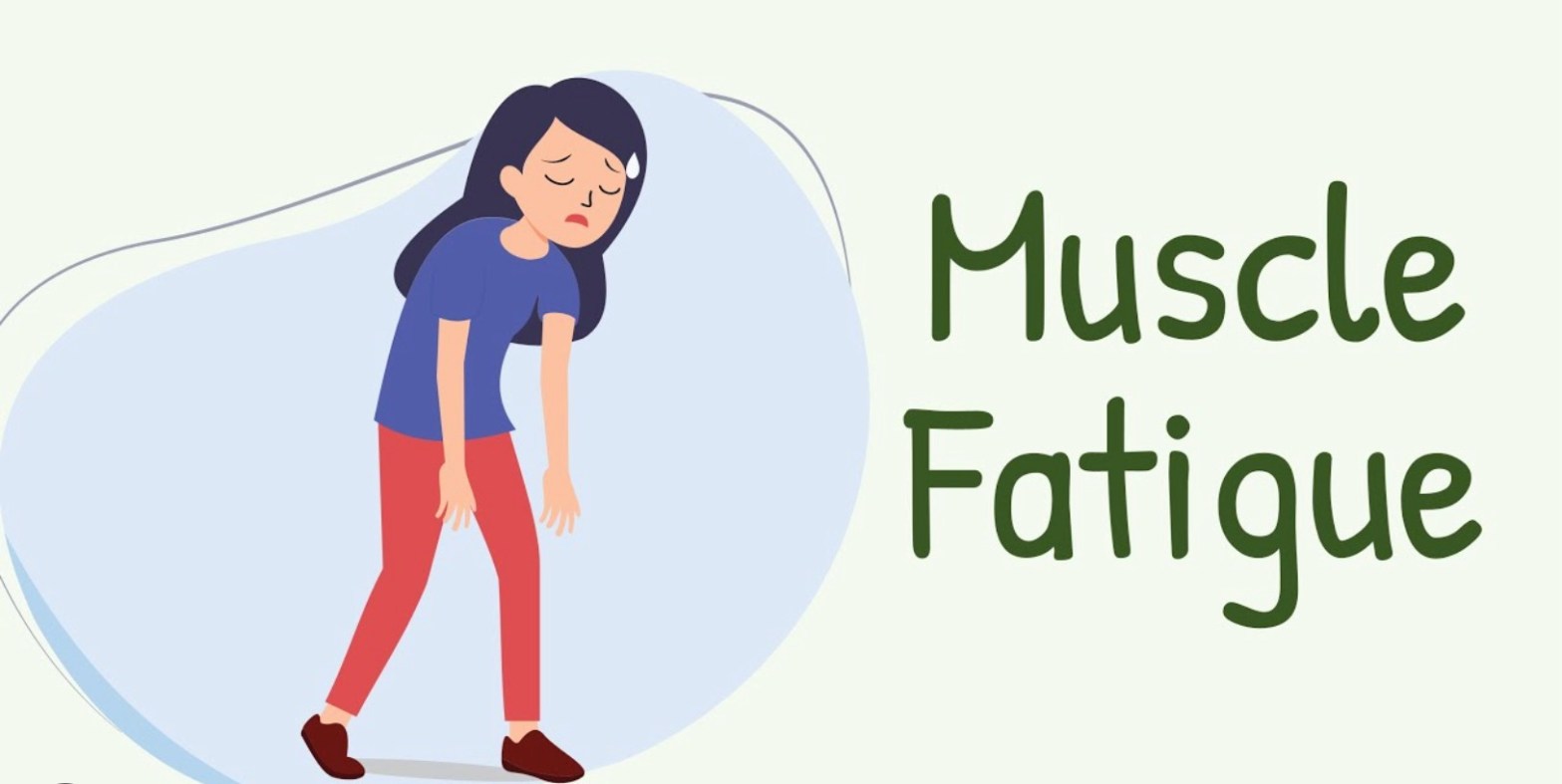
One of the most challenging aspects that I’m living with from aftereffects of my mini-strokes is the profound exhaustion I experience, particularly in my limbs and jaw. It extends beyond the tiredness that can often come from lack of physical exercise. It’s an entirely different phenomenon that weighs heavily on my daily life.

The words “you just need to exercise” resonate as a common suggestion. The doctors fail to capture and understand the depth of the exhaustion that I have. The mere act of lifting my arm or chewing can feel like an overwhelmingly arduous task, despite my efforts to stay physically active. This deep-seated exhaustion permeates my every action and thought. I navigate life with a level of weariness that extends far beyond a need for physical conditioning.

***It’s important for me to emphasize that the fatigue I experience is not a result of physical inactivity or a lack of effort. It is a complex and pervasive part of my health that needs understanding and accommodation, rather than simplistic solutions.

Im hoping that sharing my experiences and advocating for understanding and empathy can help raise awareness for others who face similar challenges.

My First Mini-Stroke: A Startling Wake-Up Call

As I sat at my desk one morning around 8 a.m. and went about my usual work routine, it felt like time suddenly lost its grip on reality. My head felt strange, as if overwhelmed by a stillness, and my thoughts were scrambled and confused. It was in this disoriented moment that my desk phone rang and, to my shock, I found my hand unable to answer it. Panic set in as I noticed my arm, unable to move. I remember feeling complete disbelief, I lifted my right arm with my left hand, hoping to answer the phone—only to watch it fall onto the desk with a thud, which I did not feel. It was at this alarming instant that I realized my arm was paralyzed, sending a surge of distress and fear through me.

As the urge to seek help grew urgent, my thoughts pushed me to reach out to someone, and my husband was the first to come to mind. With every passing moment, my clarity slowly returned. I fumbled for my cellphone with my left hand. Relieved when my husband answered, the details of that conversation escape me now, except for his instructions to contact my Sergeant for assistance. By this point, my cognitive senses were slowly but surely returning, an encouraging sign amidst the confused state my brain was in.

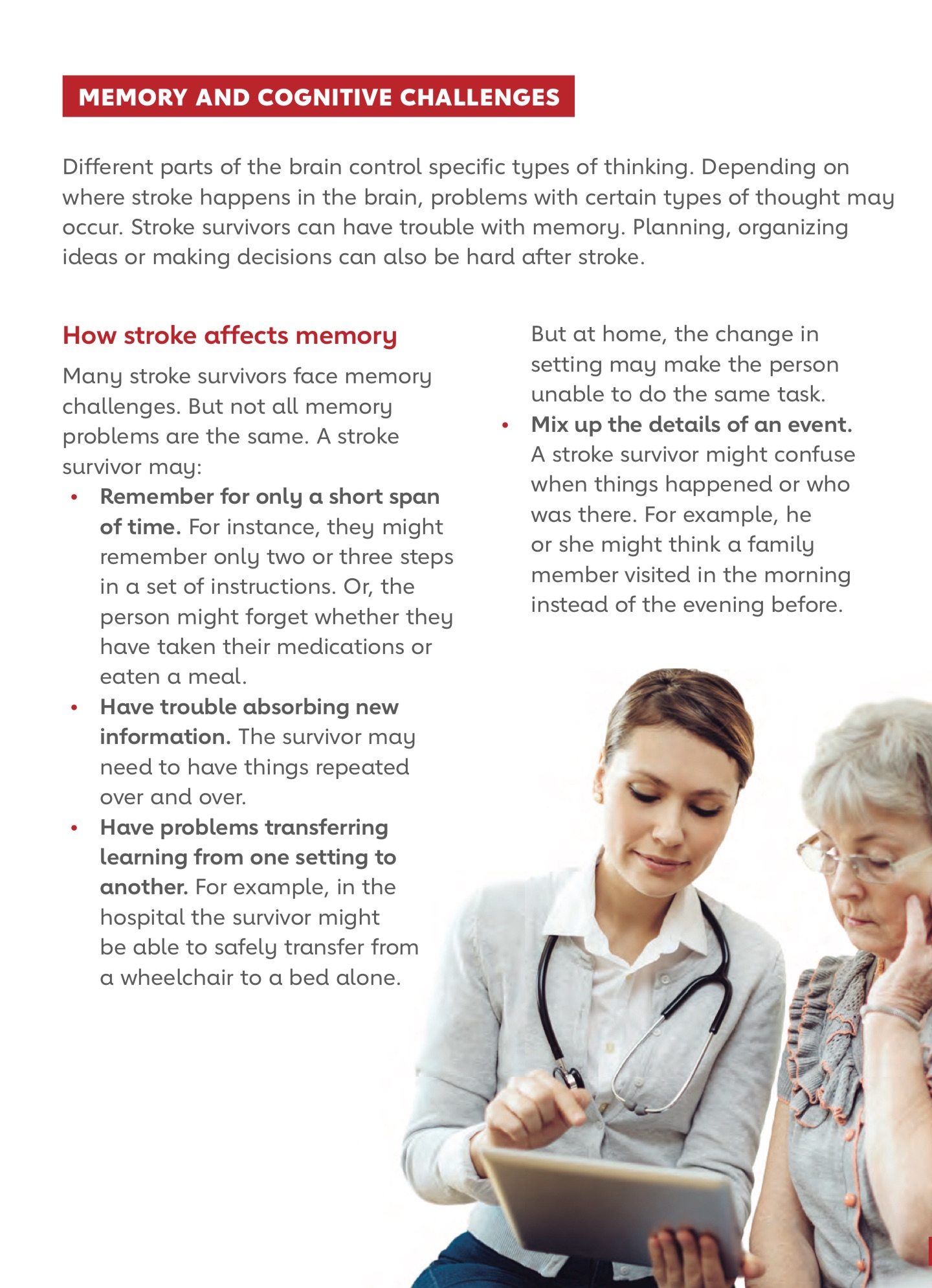
Attempting to recalibrate myself, I picked up a piece of paper and attempted to toss it into the nearby trash can, only to watch it miss. I remember looking at the security cameras and saw my Sergeant, Lt., and the nurse coming to my aid, sensing the urgency of the situation. Feeling the support of my husband’s presence reassured me as he quickly drove me to the hospital, where my symptoms had all but vanished upon my arrival, however, leaving behind a lingering sense of exhaustion. Following a CAT scan and an MRI, the medical team diagnosed it as a TIA, and I was discharged around 4 p.m., with a whirlwind of emotions and questions boggling my exhausted mind.

This glimpse into my first encounter with a mini-stroke was an alarming and surreal wake-up call, underscoring the sudden and unpredictable nature of such health challenges and the profound impacts they can have on our lives. It is a testament to the uncertainties we face and the resilience we unearth within ourselves, prompting a newfound appreciation for each precious moment and the fragility of life.

Confusion, Numbness or Difficulty Speaking…

Have you ever experienced a moment of confusion, sudden numbness, or difficulty speaking that seemed to pass as quickly as it came? That could have been a mini stroke, also known as a transient ischemic attack (TIA). For those who have encountered this frightening experience, the uncertainty and concern that follow are all too real. As someone who has personally navigated through three mini strokes in the last 7 months, I understand firsthand the impact it can have on one’s health and well-being.

In this blog post, we will delve into the world of my experiences with mini strokes, on their symptoms, potential causes, and the challenges of receiving a clear diagnosis. I will share managing recovery and discuss potential risk factors that may contribute to these unsettling episodes. Join me as we embark on a journey to understand, cope with, and shed light on the often misunderstood and overlooked world of mini strokes.

#ministroke #stroke #recover #recovery #health #Wellness #surviving #survive #alive #live #living #healthyeating #exercize #yoga #droop #facedroop #paralized #MiniStrokeWarrior #ResilienceJourney #HealthBeyondStroke #StrokeRecovery #SurvivingMiniStrokes #MindfulHealing #EmpoweredByResilience #WellnessJourney #InspiredByRecovery #EmbracingLifeAfterStroke #HealthJourney #Wellness #Mindfulness #EmpoweredLiving #WellnessWarrior #MindBodyHealing #HealthAndResilience #InspiringRecovery #MindfulLiving #HealthJourney #StrengthInHealing #CopingWithChallenges #MindOverMatter #HealingJourney #WellnessCommunity #MindfulReflections #ResilientTogether #EmbracingLife